Become an industry-leading enterprise in R&D,
production and sales of plastic machines
Responsible for customer trust
Strive for customer profit innovation
Unity responsibility and struggle
Innovation Integrity and respect
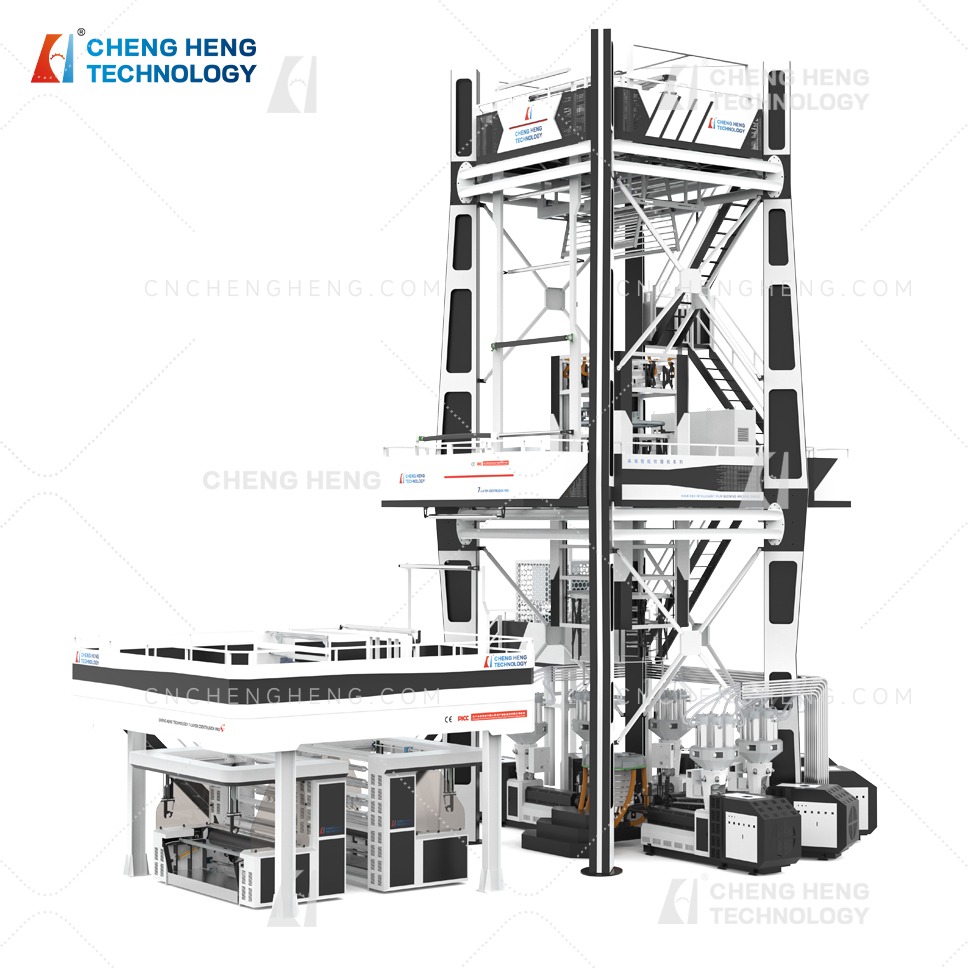
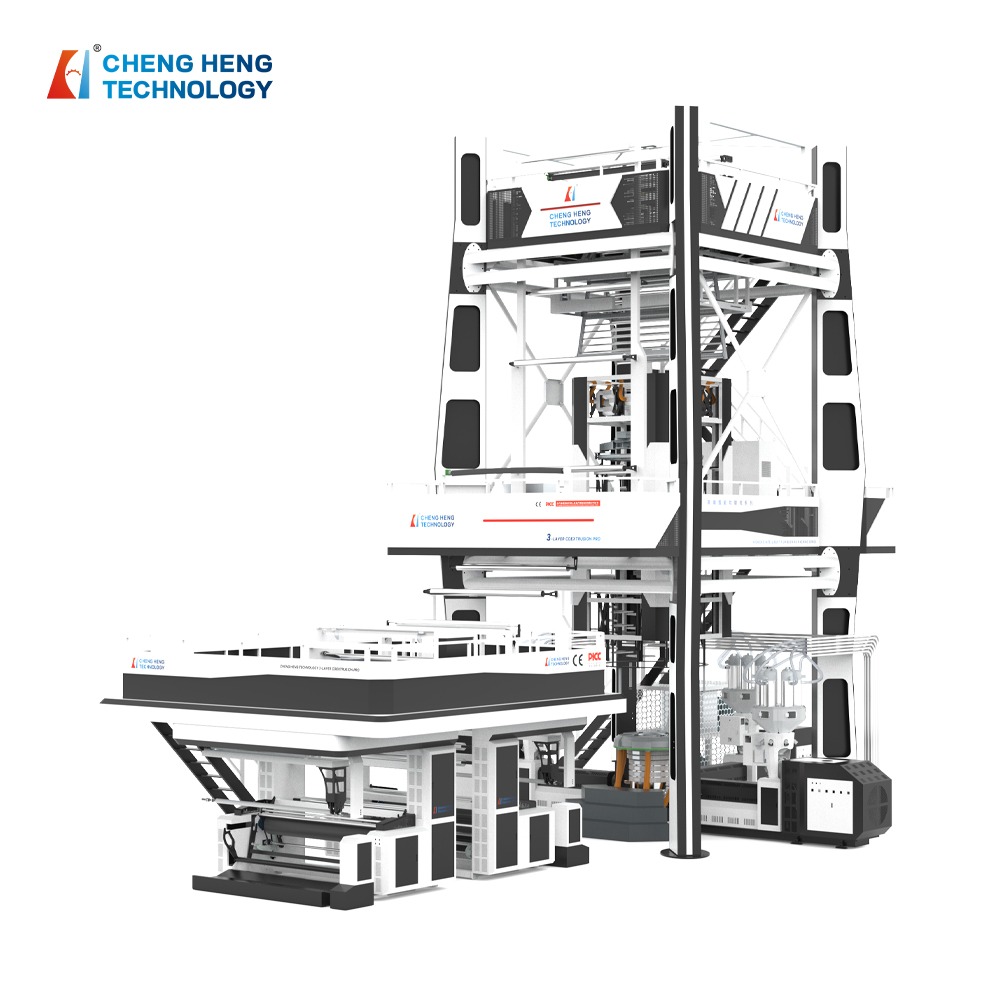
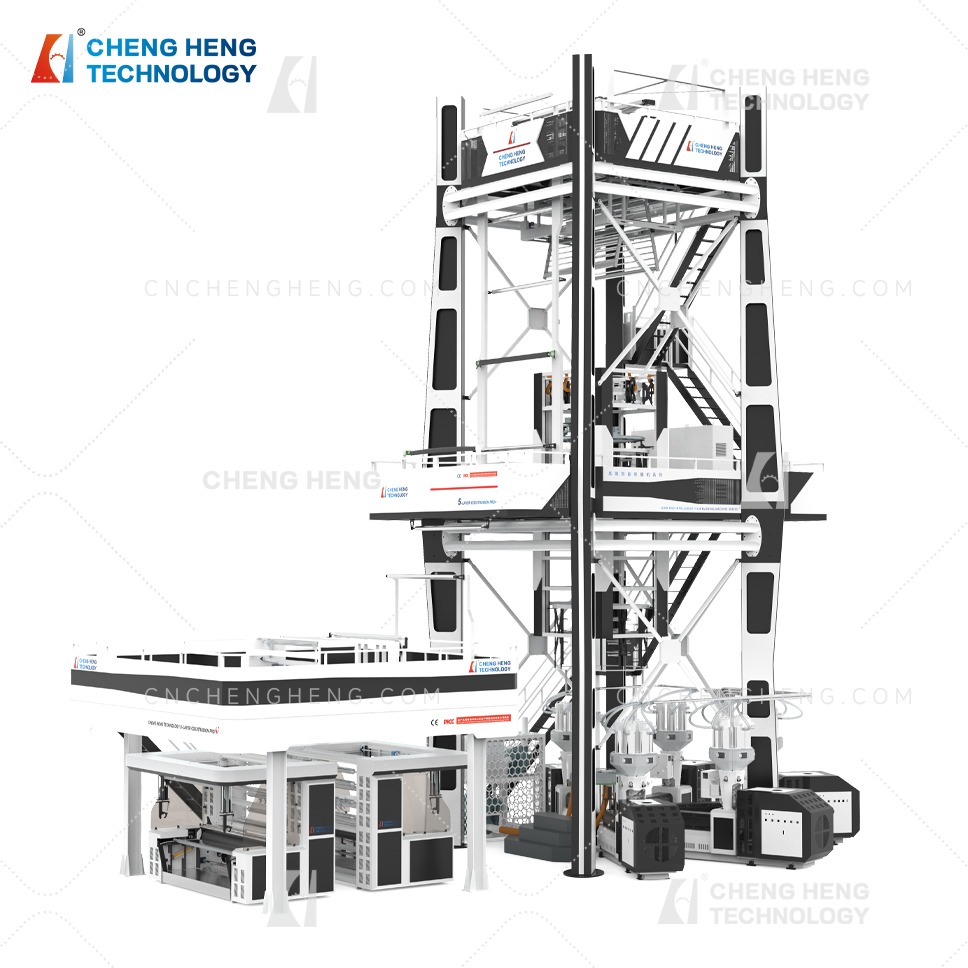
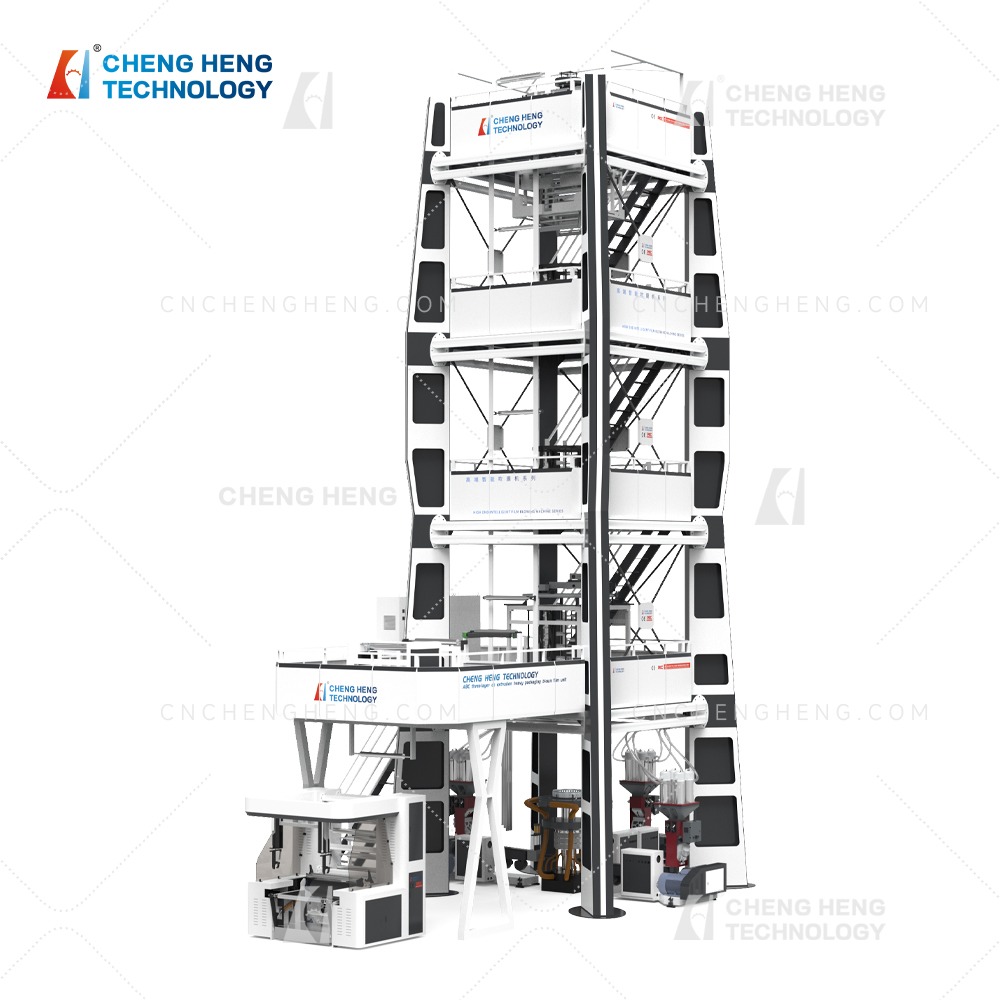
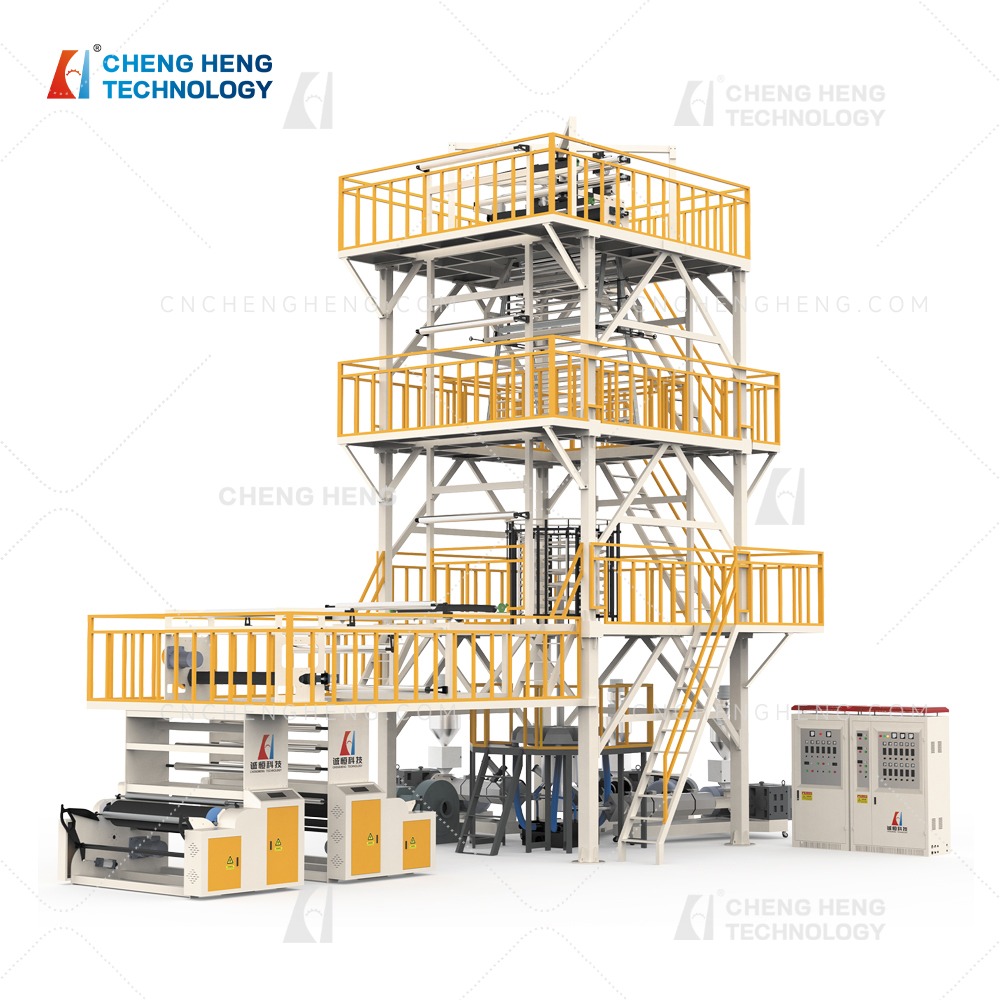
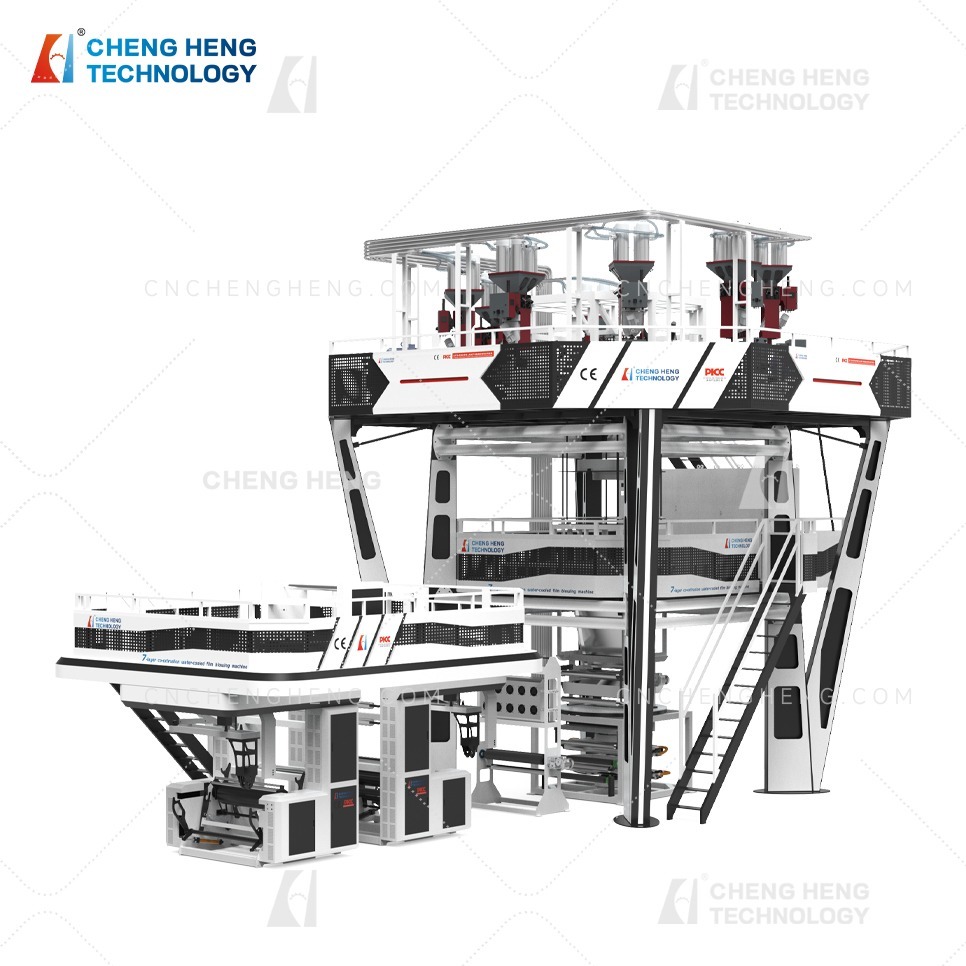
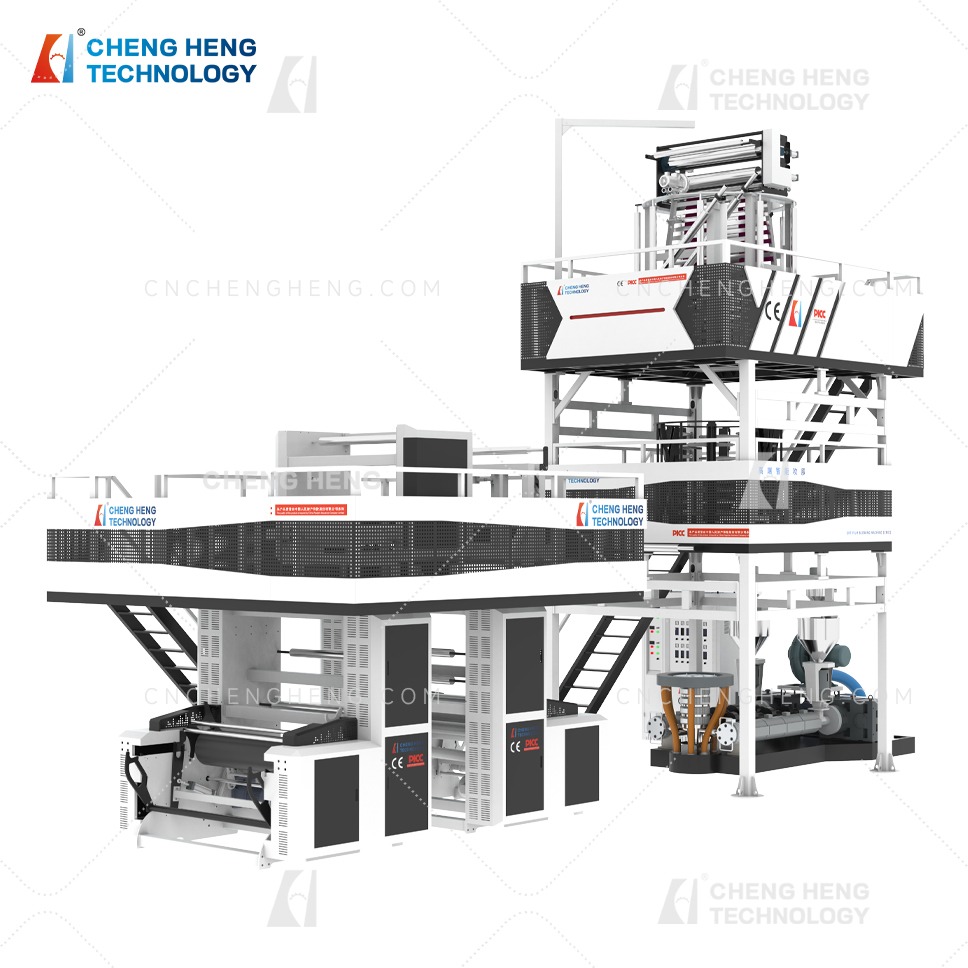
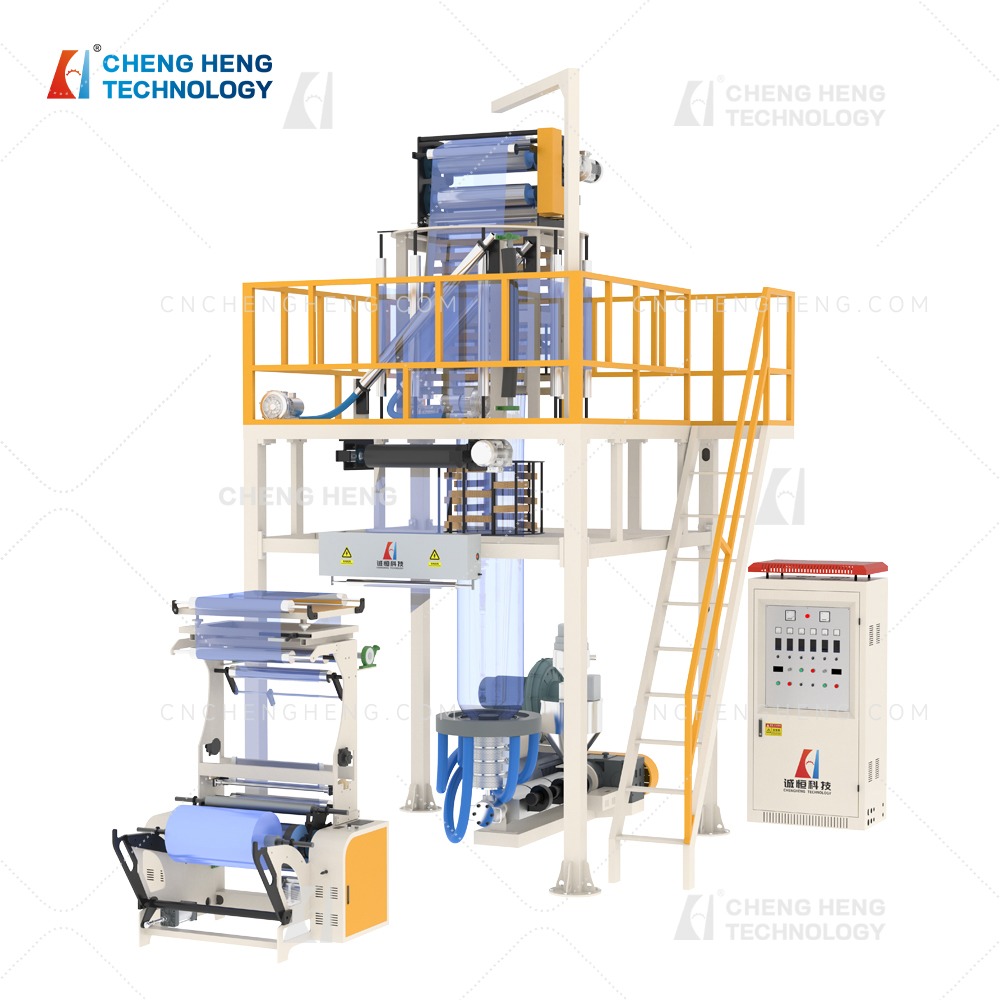
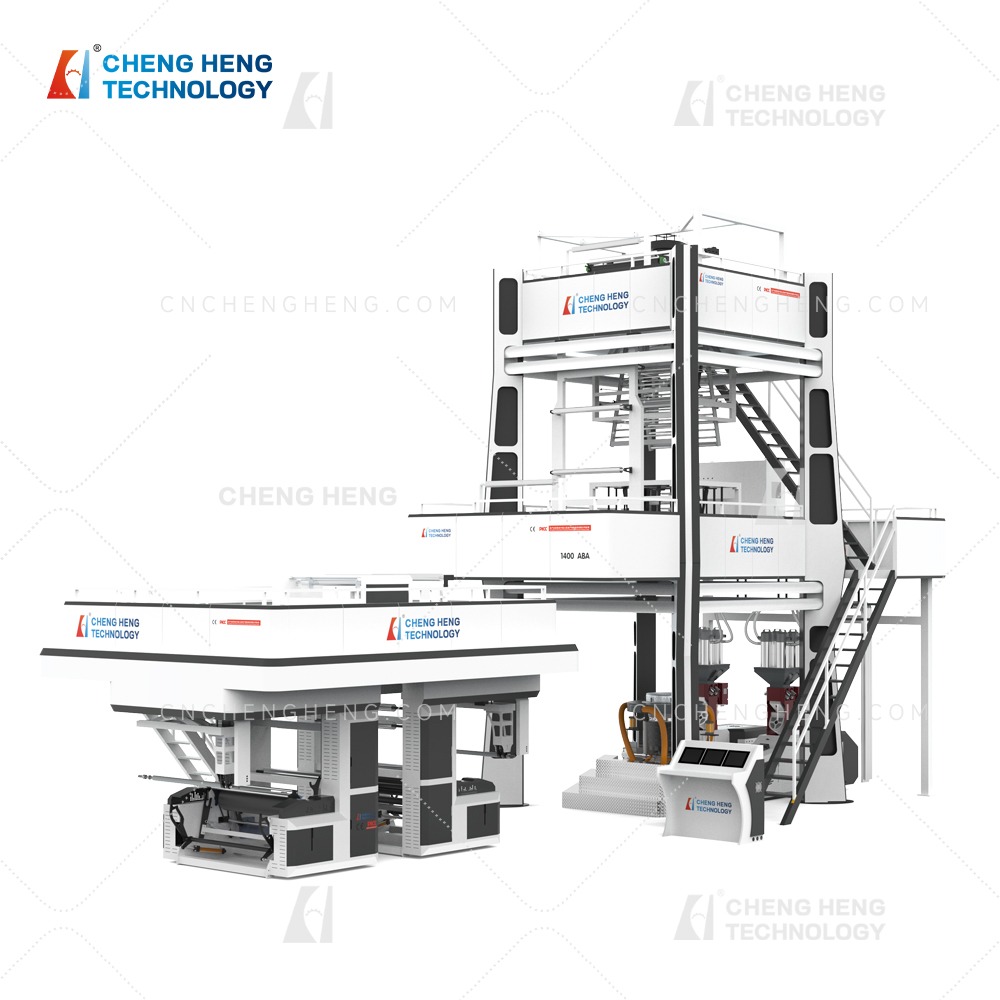
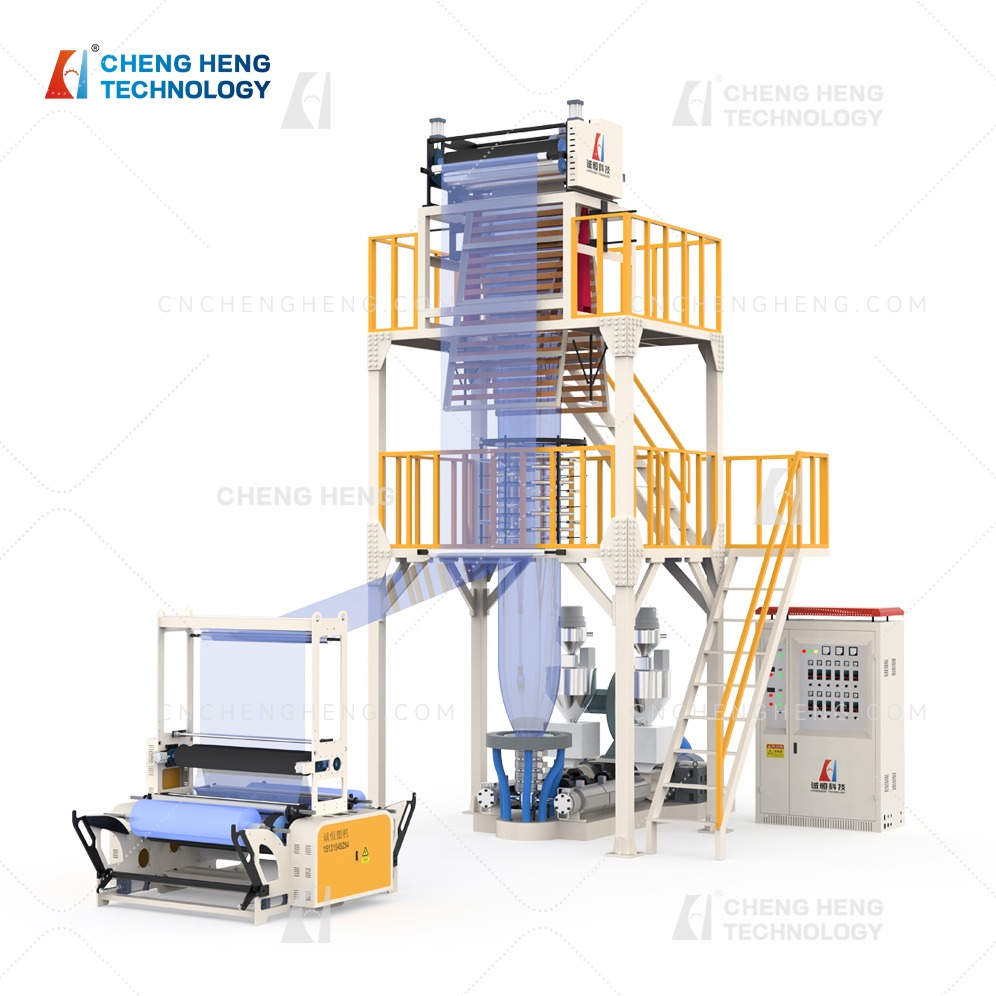
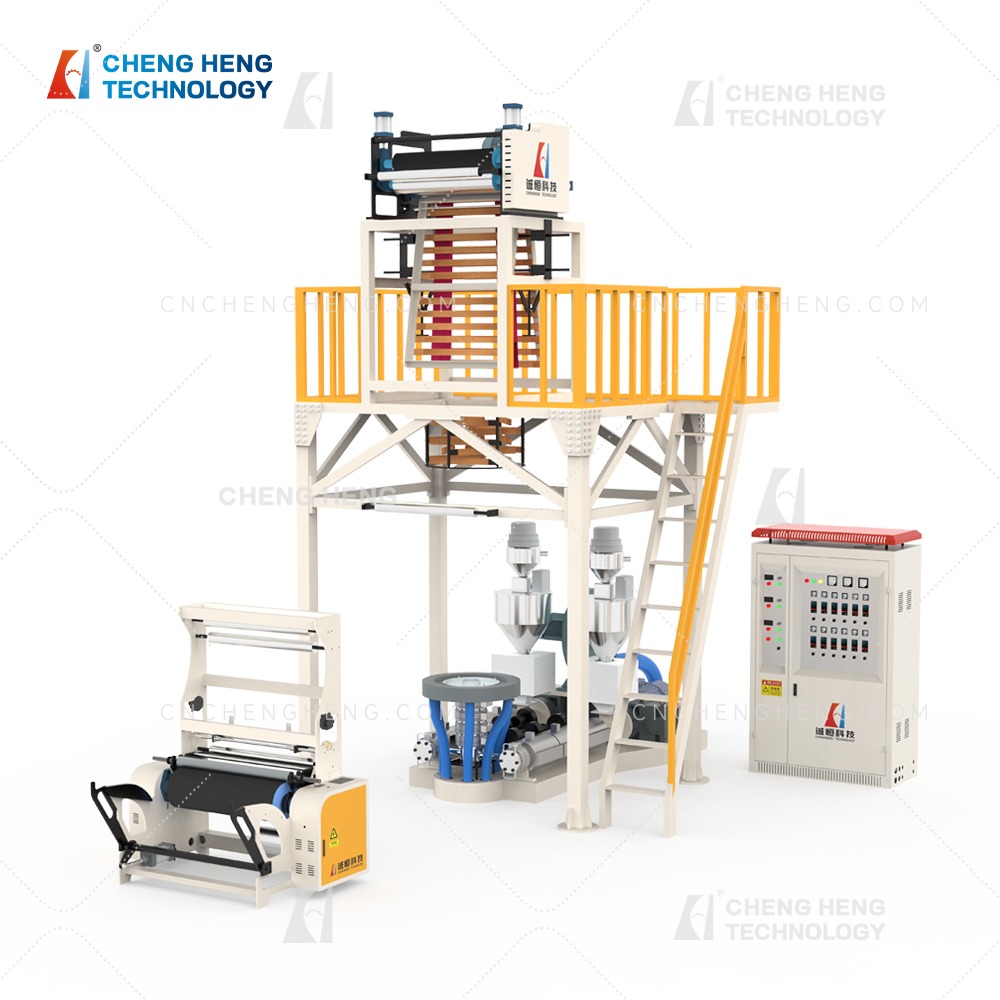
The European Union's Packaging and Packaging Waste Regulation (PPWR) is redefining how flexible packaging is designed, manufactured, and recycled. As the regulation promotes packaging that is recyclable, resource-efficient, and aligned with circular economy principles, manufacturers are facing increasing pressure to improve both product design and production processes. For blown film producers, meeting these new expectations is no longer solely a question of material selection. Manufacturing precision, process stability, and intelligent automation have become equally important in producing high-quality recyclable films that comply with evolving market requirements. As a result, investment in advanced blown film technology is accelerating across the global flexible packaging industry.···
Flexible packaging is undergoing one of its most significant transformations in decades. As governments introduce stricter environmental regulations and global consumer brands strengthen their sustainability commitments, packaging design is increasingly shifting from complex multi-material structures to recyclable mono-material solutions. Among these emerging formats, mono-material polyethylene (PE) films have become one of the industry's fastest-growing technologies. Their improved recyclability, compatibility with existing recycling streams, and continuously advancing performance have positioned them as a preferred solution for many food, personal care, household, and industrial packaging applications. Recent implementation of the European Union's Packaging and Packaging Waste Regulation (PPWR), together with sustainability commitments from leading global brand owners, is accelerating this transition and encouraging investment throughout the flexible packaging value chain.···
The rapid adoption of generative AI has dramatically increased demand for high-performance computing resources. Major technology companies are investing billions of dollars in: AI data centers Custom semiconductor development High-bandwidth memory Optical networking infrastructure Advanced cooling technologies Reuters reports that Meta expects to invest as much as US$145 billion in AI infrastructure during 2026 while expanding its computing network to support future generations of AI models. The company is working with Broadcom on chip design and TSMC on manufacturing, illustrating the increasingly integrated nature of the global semiconductor supply chain. This level of investment highlights how AI infrastructure has become a strategic asset comparable to traditional manufacturing capacity.···
 CN
CN